Table Of Content
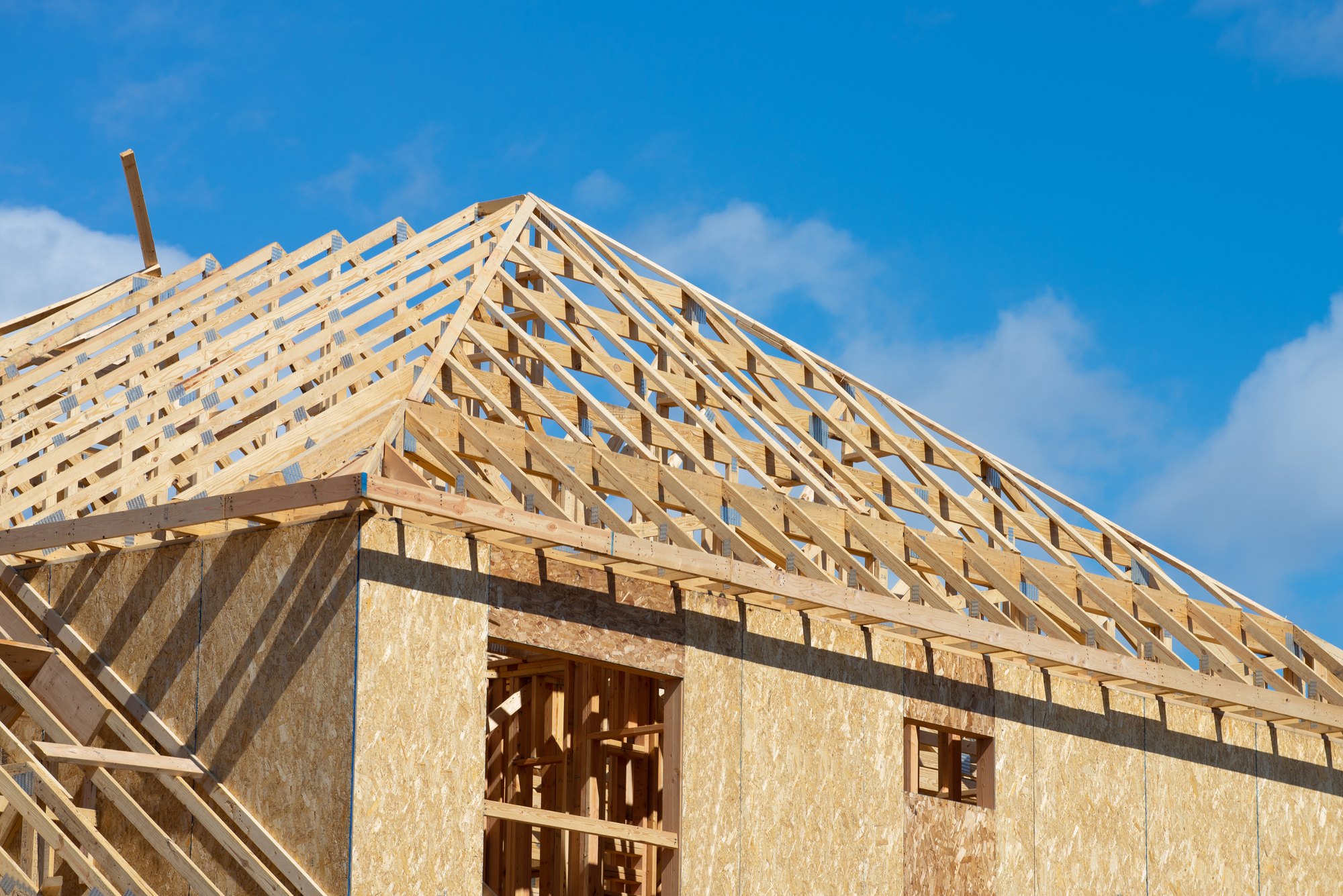
Unlike gable roofs with two sloping sides, hip roofs have four sides – each with equal length – creating a ridge at the top. This design is not only pleasing to the eye, but also offers excellent resistance against wind and storms due to its aerodynamic structure. Hip roofs are most common in North America and are considered to be the second most popular roof styles after gable roofs. While a gable roof consists of two sloping sides that join together at the top of gable ends, a hip roof has four sloping sides with no gable ends. All the four sides of the hip roof slant downwards towards the walls at a consistent angle. The adjoining sides that meet the external angle are known as the ‘hip’ of the roof.
Benefits of Hip Roofs
This type of hip roof is generally used in both commercial and residential architecture, and it also offers a pleasing aesthetic with functional benefits. If you are looking to build a hip roof for your home in Pittsburgh, we’re here to help. Gable roofs allow better attic ventilation through vertical gable ends and have longer eaves, which contributes to providing shade and a cooler interior in warmer climates. Furthermore, the clean lines and balanced look of a hip roof provide an excellent canvas for showcasing additional features, such as chimneys, skylights, and dormers. Gable roofs are the easiest to build and, therefore, one of the least expensive options.
Standard Hip Roof on Island Style House
This ensures that you have a clear roadmap, minimizing errors and unnecessary costs. While it’s one of the cheapest roofs you can put together and is ideal for skylights, it’s prone to drainage issues. The money you save in the beginning may go towards repairs in the future. In a rectangle floor plan the roof areas of a monopitch roof on the three gable ends (front edge) consist of one gable area and of hipped end roof area on one on the two eave sides. The inclined roof area is always aimed towards the weather-exposed side.
Crimson and Gray Hip Roof House
Yes, obviously it keeps out the rain and birds and whatnot, but it's also a pretty substantial visual element as well. The roof can have a sizable impact on the overall look of the structure, so you need to put some serious thought into what kind of design you want to use. I was a roofing constructor for 20 years, before deciding to start myrooff.com and gather the best content about roofing. I love woodworking and construction and it was only natural for me to start this passion project of mine. Other important considerations are that it must add more attractiveness towards the structure of the house with some unique designs.

Unlike other types of roof, a hip roof features no gables and there is a complete absence of any vertical sections — plus all four faces are usually the same pitch. Choosing the right roof pitch greatly affects your roof’s performance, durability, and aesthetics. Although roof style matters, you must consider a few other factors before deciding which roof pitch is best. For instance, steeper roofs generally require more materials and a more complex design, increasing costs.You should also consider your location and its climate. A roofing contractor will likely recommend a conventional or steep roof pitch for efficient drainage if you live somewhere with heavy snowfall or rain. A steeper pitch prevents water ponding from the extra weight of accumulated snow, safeguarding your roof’s structure.
When selecting your materials, consider your local climate, the pitch of your roof, and your budget. It’s advisable to purchase slightly more material than calculated to account for mistakes or damage. The Weather Service also issued tornado watches across parts of Iowa, Kansas, Missouri, Oklahoma and Texas. And forecasters warned that large hail and damaging wind gusts were possible. Daniel Fienhold, manager of the Pink Poodle Steakhouse in Crescent, Iowa, said he was outside watching the weather with his daughter and restaurant employees.
It has its own support, making it one of the most stable and wind-resistant roof types. The high slope of hip roofs helps negate the effects of forceful winds. By creating an angle away from the house, the wind can blow over, spiral around, and encircle the house without pushing too much on one side.
House with a Large Hipped Roof / Naoi Architecture & Design Office - ArchDaily
House with a Large Hipped Roof / Naoi Architecture & Design Office.
Posted: Mon, 03 Feb 2014 08:00:00 GMT [source]
Colonial Countryside Hip Roof House
The strikingly steep hip roof exemplifies a roof design where all sides slope downward to the building’s walls, forming a pyramid-like structure at its peak. This design offers numerous advantages, including enhanced water drainage, heightened durability, and resistance to harsh weather conditions such as strong winds. Any roof which has 4 sides, all of which slope upwards to meet at a seam at the top of the roof, is a hip roof. It is perhaps one of the simplest styles of roofing and is often combined with gables or other features. Hip roofs drain water well, and leaves don’t build up on them.

The roof frame work mainly consists of purlins (inferior purlin, central purlin and ridge purlin), ridge collar, rafter and roofing battens. The flat roof has an incline of 0 degrees up to maximum 25 degrees (country-specific differences). In case of a higher roof pitch it is called inclined roof or monopitch roof. You can download your roof design as a PDF or JPG and email it to your client. Trace the exterior perimeter over your floor plan by clicking the point of every corner.
Gambrel roofs are great at directing water away from a house but are not well-suited for areas with heavy snowfall. Some people confuse hipped roofs with gambrel roofs, but they are not the same. A gambrel roof is a gable with two symmetrical slopes on both sides.
The house is comprised of several hip-and-valley roofs that are made up of a shiny material, probably some sort of metal. The multitude of tiny spotlights outside the house gives the building a golden glow, further enhancing the opulent look. A regular hip roof sits on a rectangular plan with four faces. The slope or slant of the roof is almost always the same, and hence they are symmetrical at their centerlines. The longer sides have a trapezoidal shape while the sides at the front and back have a triangular shape and are called hip ends.
Roof flashing, a thin material typically made from galvanized steel, can also be installed to direct water away from certain areas. Furthermore, always double-check your measurements to ensure accuracy. Missteps on this step can lead to structural issues in the future. Always take the necessary safety precautions when working on a roof, including using a sturdy ladder, wearing appropriate footwear, and never working in adverse weather conditions.
There’s technically no limit to how steep a roof pitch can be, but extremely steep pitches become increasingly impractical and expensive to construct. The steepest roof pitch commonly used on homes is 18/12 (a 60-degree angle). A Victorian home with a mansard roof is an example of a very steep roof pitch. Understanding pitch lets you make informed decisions regarding roof replacement, repairs, or potential modifications. The ideal pitch for your home depends on various factors, including your local climate, architectural style preferences, and budget. Steeper pitches excel in areas with heavy snowfall or rain, while low-pitch roofs offer cost advantages and a modern aesthetic.
In the end, it's up to you as an architect to decide if it's better to trim the budget, or to add a little hip to your roof. These roofs must be capable enough to resist heavy loads of winds, as well as snow, because some areas are highly affected by such environmental factors. Once you finish with rafter fixing, it is time to install the jack rafters between the hip rafters and standard rafters. You have to continue this process till the time the solidness or strength of all of the ridge boards is increased and can be settled as per their weight.


No comments:
Post a Comment